Rivers and Rapids Explained: Your 2026 Guide to Canadian Rockies Rafting
Understanding rivers and rapids is the key to choosing the right whitewater rafting experience — especially when rafting in the Canadian Rockies, where glacial-fed rivers and rapids behave very differently from most rivers people are used to.
At Rocky Mountain River Guides in Jasper, we run trips on both Class II and Class III rivers, and one of the most common questions we hear is:
“How intense is this actually going to be?”
This guide breaks down river classes, glacial river behavior, seasonal changes, and why Jasper National Park has the best whitewater rafting in the Rockies — so you know exactly what to expect.
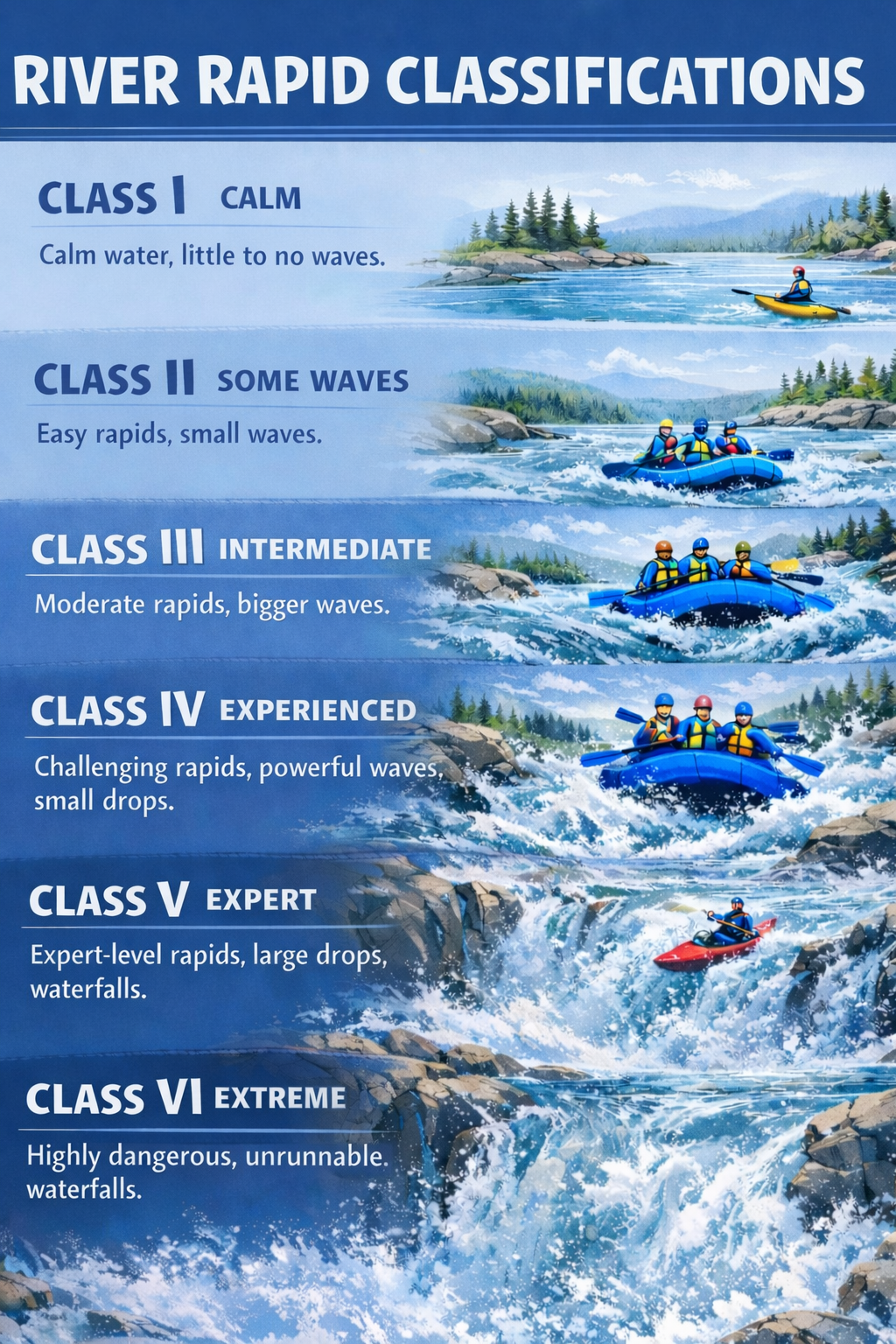
Image © Rocky Mountain River Guides
River Classes Explained (What the Ratings Really Mean)
Class II Rivers and Rapids: Fun, Flexible, and Still Exciting
Class II is the perfect entry point for whitewater rafting.
On rivers like the Athabasca River, Class II means:
You can hit big splashy waves that soak the front of the boat
Or sit toward the back and enjoy a scenic float
Calm sections between wave trains let you relax, paddle lightly, and take in the views
This flexibility is what makes Class II ideal for:
Families
First-time rafters
Guests who want excitement without pressure
It bridges the gap between a lazy river and true whitewater — fun without being overwhelming.
Class III Rivers and Rapids: Bigger Water, More Intensity
Class III is where rafting shifts from “fun” to adrenaline charged.
On rivers like the Sunwapta River:
Rapids roughly double in size
Even sitting at the back of the raft, you’re getting splashed
Paddle commands matter more
The river feels faster, louder, and more powerful
Guest spend more time actively paddling
It’s still safe with professional guides — but the experience is noticeably more intense and physical.
Class IV Rivers and Rapids: Advanced & High-Risk
Class IV rafting is a different category altogether:
Powerful features
Tight lines
High consequences for mistakes
These trips require prior experience and are not suitable for beginners. While thrilling, they come with increased risk and demand a high level of skill from both guides and guests. Not recommended even for casual adventure seekers.
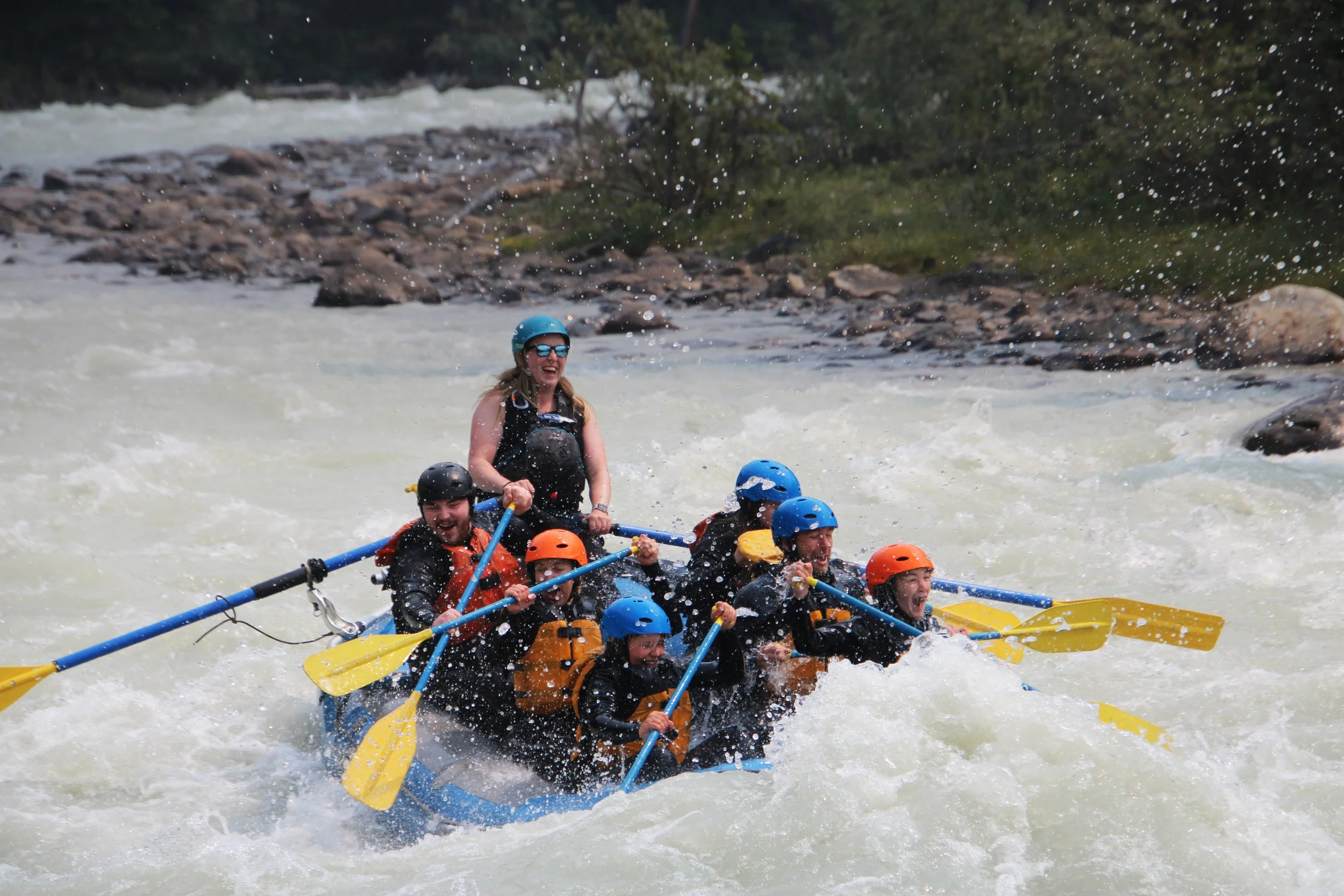
Class III whitewater rafting on the Sunwapta River in Jasper National Park, Canada.
Why Glacial Rafting in the Canadian Rockies is Different (and Better)
Glacial rivers and rapids don’t behave like rainfall-fed rivers.
Here’s why that matters:
Hot days = higher water levels
If it’s warm, glaciers melt — sometimes making the next day’s rafting conditions awesome.Rain doesn’t ruin trips
You’re getting wet anyway, and rain often raises water levels.Higher water usually means more fun
Because glacial rivers and rapids are typically shallow and rocky, higher water unlocks:
More waves
More features
More consistent rapids
This consistency is one reason the Rockies offer such reliable whitewater.
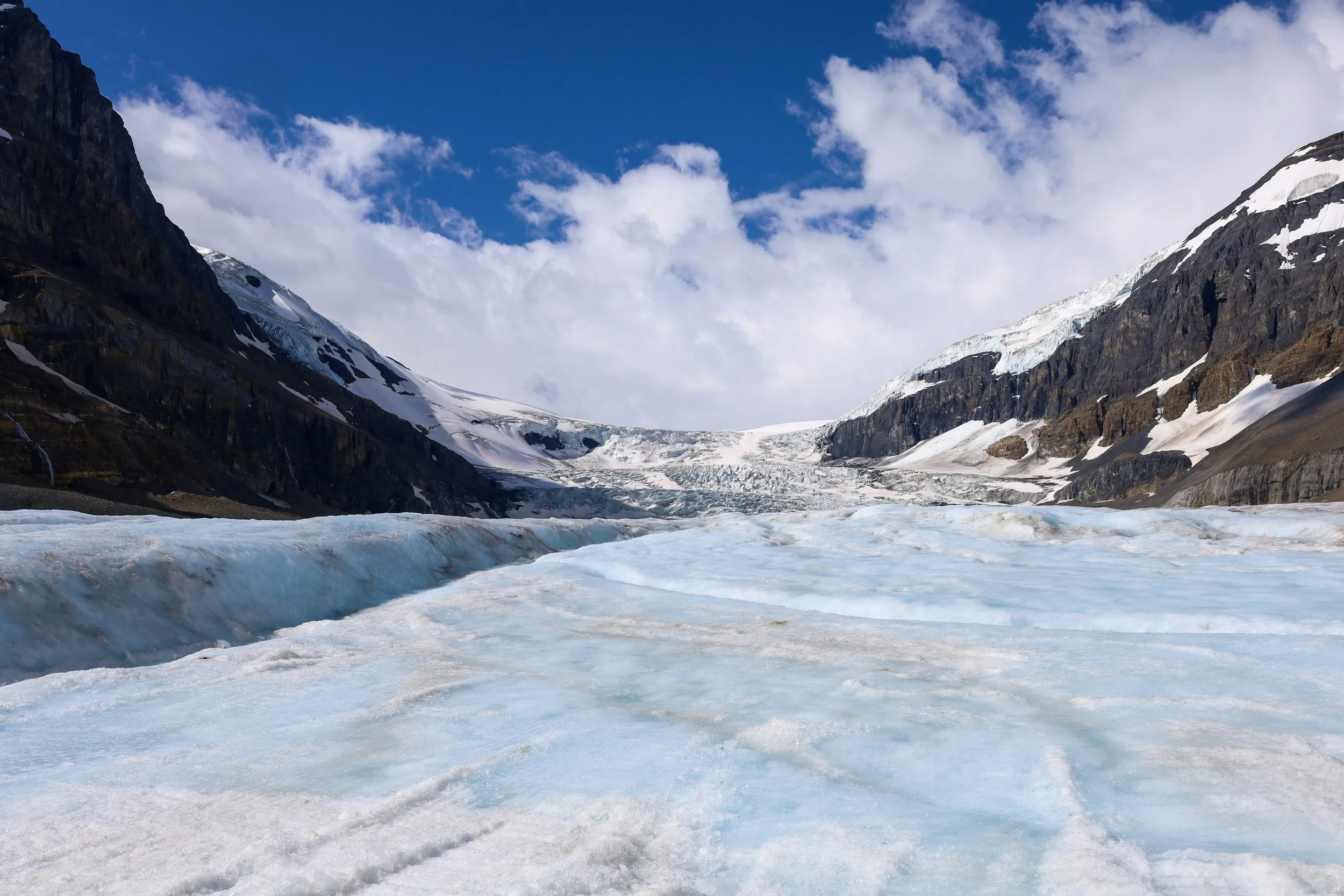
Columbia Icefield, Jasper National Park — the glacial origin of the Athabasca River.
One of the best stops from Banff to Jasper.
How Whitewater Rafting in the Rockies Changes From Spring to Fall
River conditions evolve throughout the season:
Early season:
Heavy snowpack = strong spring runoff and exciting early tripsMid-season:
Almost always excellent — the most reliable time to raftLate season:
Can vary depending on weather but still splashy, scenic and a unique way to experience the rivers and mountains
High water creates big, splashy rapids, while low water makes runs more technical and precise — both exciting in different ways.
Why Class II Rafting Is Perfect for Beginners (Without Being Boring)
Class II rafting in the Rockies:
Delivers wave trains and splashes
Includes calm stretches to rest and enjoy the scenery
Offers wildlife sightings and iconic mountain views
Also great to do when it rains
It’s engaging without exhaustion, exciting without feeling scary — and that’s why so many first-timers leave surprised by how much fun they had on class II rivers and rapids.
Why Class III Rafting in the Canadian Rockies Is Perfect for Adventure Seekers
Class III rafting in the Canadian Rockies offers the most exciting commercially run whitewater available in Jasper National Park.
As the highest rated rafting level in Jasper, Class III rapids feature continuous wave trains and longer stretches of whitewater, meaning guests spend more time actively paddling. This creates a more physical and engaging rafting experience.
Because of the nature of the rivers and rapids, Class III rafting is recommended for strong swimmers only. While no previous rafting experience is required, guests should be comfortable in moving water and ready for sustained paddling.
Class III rafting in the Rockies also delivers what the region is known for glacier-fed rivers, wide mountain valleys, and frequent wildlife sightings along the riverbanks. Even during the rapids, the surrounding mountain scenery remains a major part of the experience.
For visitors looking for an authentic Canadian Rockies Rafting experience that combines real whitewater, continuous action, and iconic alpine landscapes, Class III rafting stands out as the top choice.

Athabasca Falls — a scenic Class II whitewater rafting experience in Jasper National Park.
What Separates a Fun Rivers and Rapids From Dangerous Ones
A fun rapid usually has:
Clean, curling waves
Clear downstream visibility
Danger appears when:
You can’t see what’s behind a wave
Hidden rocks or obstacles are present
This is why rafting without an experienced guide is never recommended. Professional guides read:
Eddies
Rock placement
Current patterns
On commercial routes, hazards like strainers are also actively removed to keep rivers and rapids safe
Why the Rafting Rivers in the Rockies is Ideal for Learning Whitewater
Both the Athabasca and Sunwapta Rivers are shallow, technical glacial rivers, making them excellent for learning:
Paddle commands
Ferry angles
Reading water
Teamwork in rapids
Guests leave with a real understanding of how whitewater works — not just a thrill ride.
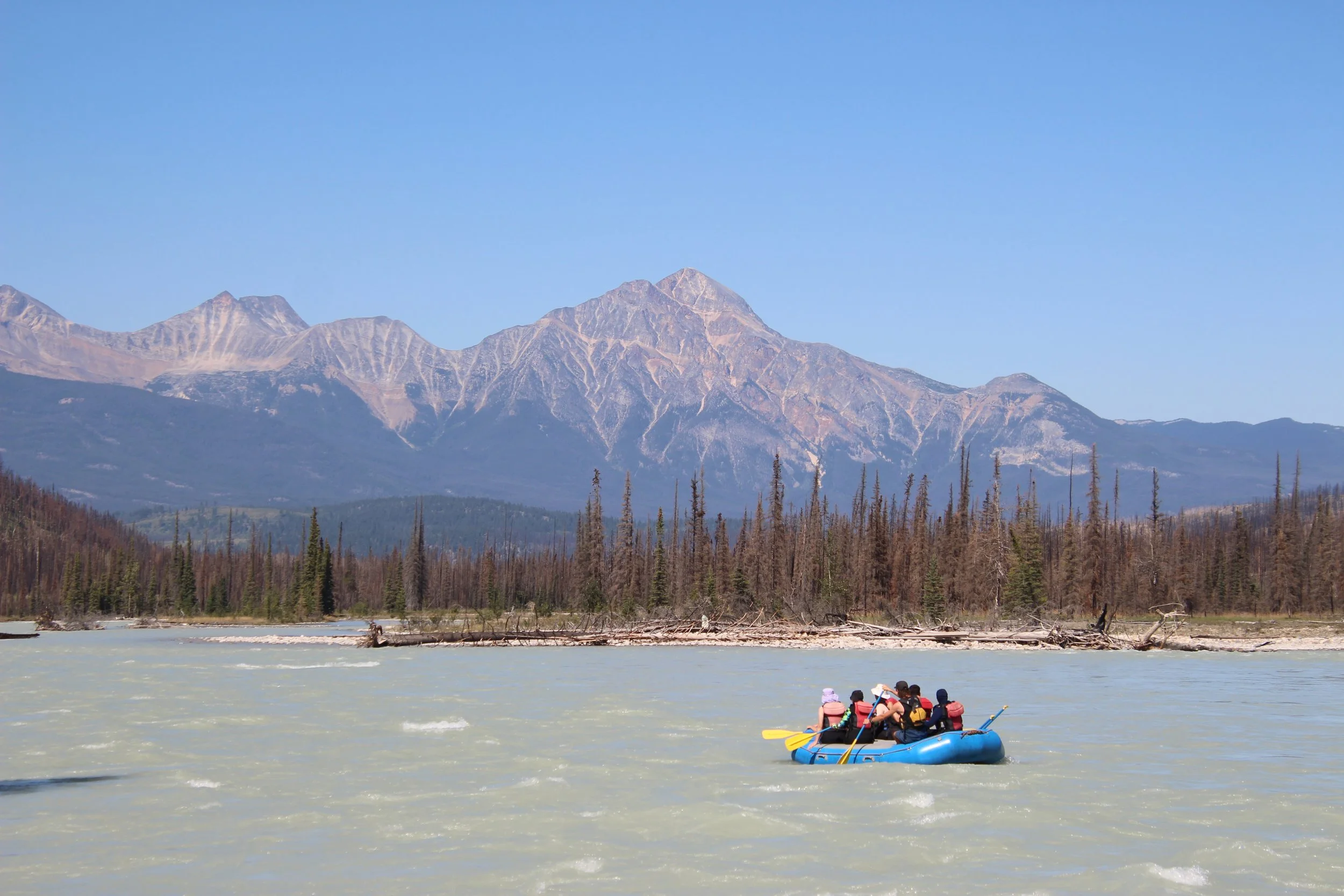
Mile 5 Raft Trip on the Athabasca River, Jasper National Park (2023)
How Guides Decide If Rivers and Rapids Are Safe
Safety on rivers and rapids in the Canadian Rockies is never based on a single factor. Professional rafting guides assess conditions continuously before and during every trip to determine whether a river is suitable for commercial rafting.
The first and most important factor is water level, which is influenced by recent weather, rainfall, and glacier melt. In the Rockies, river conditions can change quickly, so guides rely on daily flow data, visual checks on the river, and firsthand knowledge of how specific rapids behave at different levels.
Guides also assess group ability and comfort level. This includes how confidently guests paddle, how well they follow commands, and how the group performs once on moving water. These real-time observations help guides adjust their approach as the trip progresses.
Equipment setup plays a key role as well. On rivers like the Sunwapta, guides may choose to run an oar frame instead of paddle only setups when conditions or group dynamics call for it. Oar frames allow the guide greater control of the raft through stronger rapids, adding an extra margin of safety. While this requires more effort from the guide, it remains an extremely safe and proven way to run whitewater in the Canadian Rockies.
Many guides in Jasper bring additional expertise to the river. Some of the class III guiding team is paddle certified on the Sunwapta River, a more technical stretch of whitewater. When conditions and group skill allow, these guides may choose to paddle guide, offering a more hands on rafting experience while maintaining professional safety standards.
By continuously evaluating river conditions, group performance, and equipment choices, guides ensure that rafting in the Canadian Rockies remains safe, well managed, and properly matched to each group even on dynamic and powerful rivers and rapids.
Choosing the Right River for Rafting in the Canadian Rockies
When visiting Jasper, choose your rafting experience based on:
Comfort level
Desired intensity
Scenic vs adrenaline focus
There’s no wrong choice — just the right rivers and rapids for your style.